
London is a flagship, not an island

A long time ago, in a job not too far away, we once mocked up an image of the UK with London breaking away from the UK. Literally. It imagined the capital as its own island, separate in every sense. Not quite Singapore on Thames, that was an argument yet to happen, but the image was designed more to make the point that the UK was stronger with London – economically, culturally and reputationally.
This was more than a decade ago. Pre-Brexit. Pre-levelling up. And perhaps a precursor to those debates and enduring tensions.
I don’t think we published the image in the end, but it’s one that has stayed firmly lodged in my mind – maybe more so in recent times as London has often seemed a political pariah. Certain politicians have been willing to trash their capital. Some commentators have ignored evidence to the contrary to do down their city. And cheerleaders have sometimes been conspicuous by their absence.
Is it a recent phenomenon? Perhaps not, though until very recently those voices seemed to have grown louder. But have we finally reached peak (anti) London? Possibly. Hopefully.
Last week, London received the Lee Kuan Yew World City Prize, an award that celebrates cities and leaders for innovative, sustainable urban solutions. And what was it about London that appealed most to the judges? Our built environment.
The judges applauded the capital’s “exceptional capacity to reinvent itself and deliver transformational change”. They recognised the city’s complexity and the development of strategic long-term plans. They pointed to the Ultra Low Emission Zone, the world’s largest clean-air zone of its kind and one that has halved nitrogen dioxide concentrations.
We even get some aspects of the planning system right. “London’s long-term strategic planning prioritises the integration of public transport networks with other development projects, ensuring the coordinated development of commuter links with infrastructure to benefit the public.” (Thank you, the Elizabeth Line.)
Oh, and there’s more. “Key infrastructural developments in London are often combined with programming to enliven the area,” according to the prizegivers. Here they pointed to King’s Cross (“the collective long-term commitment of public vision, infrastructural investment and private development”) and the Queen Elizabeth Olympic Park (“a thriving post-Olympic district combining world-class sporting infrastructure with £1.1bn invested in major cultural and academic institutions, alongside residential development to address London's housing needs”).
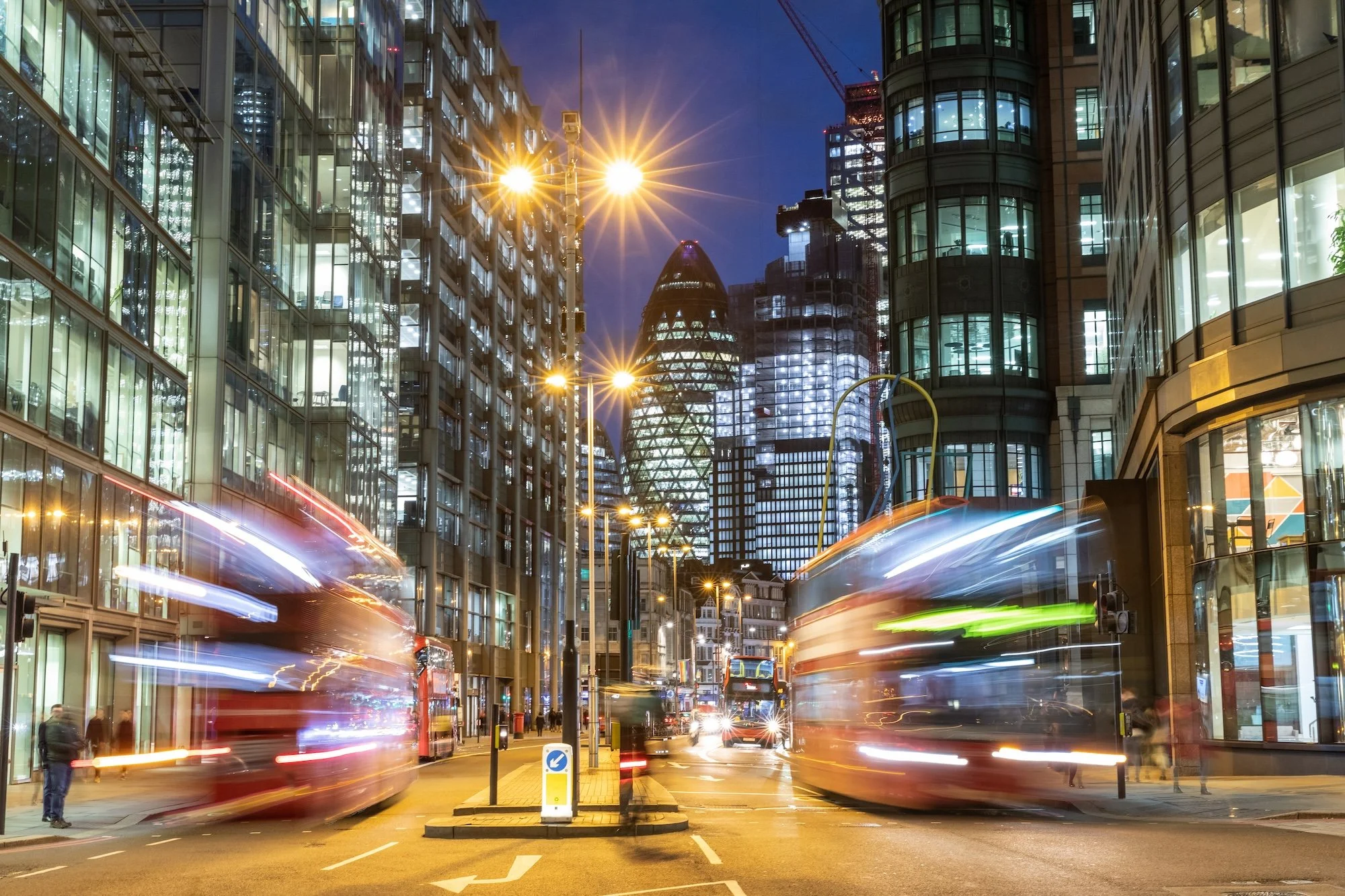
Also winning hearts and minds were London’s “quality public spaces”, its business improvement districts and the transformation of the Square Mile from a primarily financial district into a seven-day-a-week cultural destination.
Best of all, “London demonstrates how a mature global city can continuously reinvent itself through resilient governance and transformative infrastructure," said Dr Cheong Koon Hean, chair of the prize nominating committee.
It’s a thrilling read, isn’t it? Glass half full, for sure. But it made me think: London needs celebrating as much by the UK, as it does beyond.